
Sustainable Meal Planning Strategies: Building Consistent Nutrition
Effective meal planning bridges the gap between nutritional knowledge and daily practice. This article explores evidence-based strategies for planning, preparing, and maintaining consistent nutrition patterns.
Educational content. No promises of outcomes.
Why Meal Planning Matters
Meal planning transforms nutritional knowledge into practical action. By thinking ahead about what you will eat, you create structure that supports consistent nutrition, reduces decision fatigue, and decreases reliance on convenience foods when tired or busy.
Planning does not require rigidity or perfection. Flexible planning accommodates unexpected events, preferences, and changes while maintaining nutritional consistency over time.
Core Principle: The best meal plan is one you will actually follow. Sustainability trumps perfection in long-term nutrition.
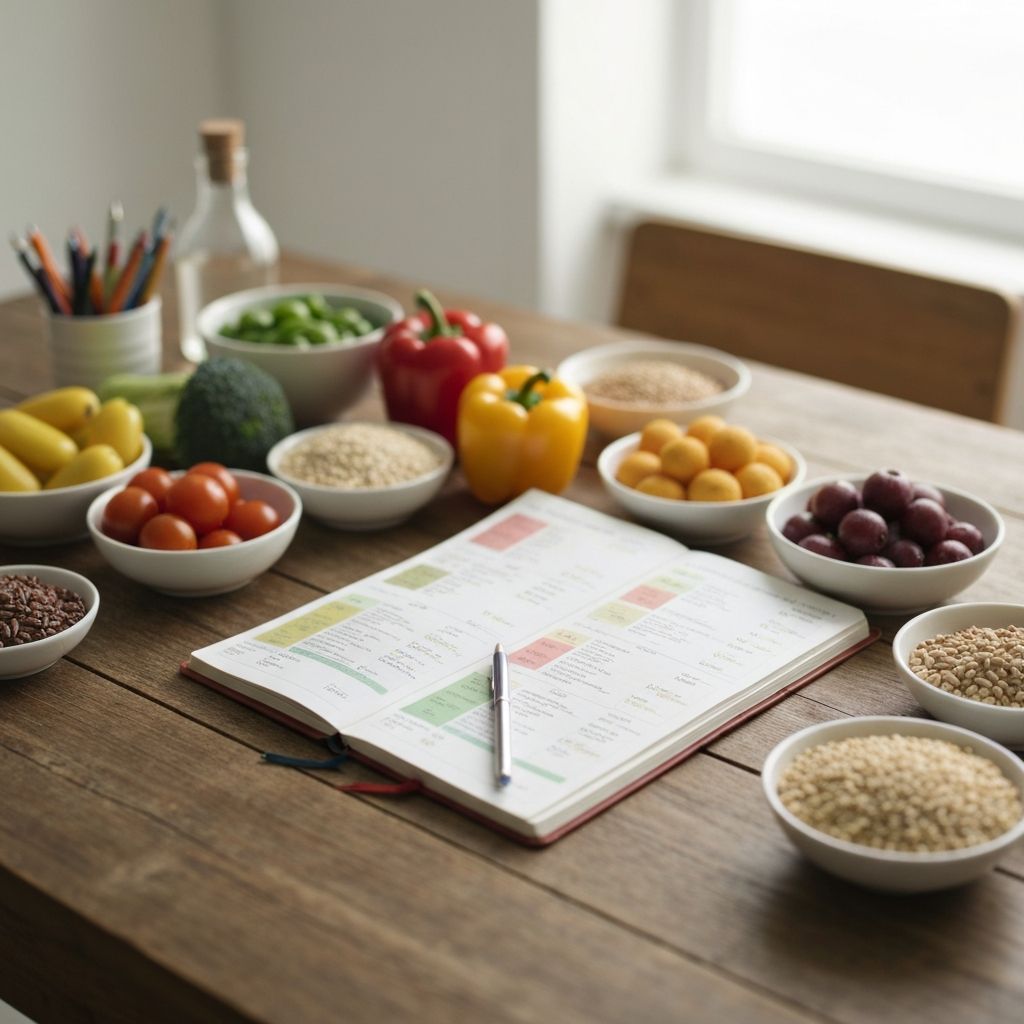
Foundation: Inventory Your Preferences
Foods You Enjoy
Identify nutritious foods you genuinely like. Eating foods you enjoy is not indulgent—it is essential for sustainability. Planning around preferred foods increases adherence.
Cooking Capacity
Assess realistic cooking time and complexity given your schedule, skills, and energy levels. Plans that match your actual capacity are more sustainable than idealistic schemes.
Budget Considerations
Plan within financial realities. Nutritious eating is compatible with limited budgets through strategic choices and utilization of affordable whole foods.
The Planning Process
Structured planning follows a logical progression:
- Assess current patterns - Track what you typically eat over 3-5 days. Identify patterns, preferences, and obstacles.
- Define eating occasions - Specify how many meals and snacks you typically eat daily.
- Build a protein framework - Select protein sources for each meal, ensuring variety and adequate intake.
- Add whole food carbohydrates - Include whole grains, vegetables, and fruits that provide energy and nutrients.
- Incorporate healthy fats - Add oils, nuts, seeds, or fatty fish to support nutrient absorption and satiety.
- Plan vegetables and fruits - Ensure diverse produce across meals to maximize micronutrient intake.
- Identify quick options - Maintain flexibility with fast, nutritious fallback meals for busy days.
Practical Implementation Strategies
Batch Cooking
Cooking proteins, grains, and vegetables in larger quantities provides quick assembly options throughout the week. This reduces daily cooking demands while ensuring nutritious options are readily available.
Simplified Meal Structures
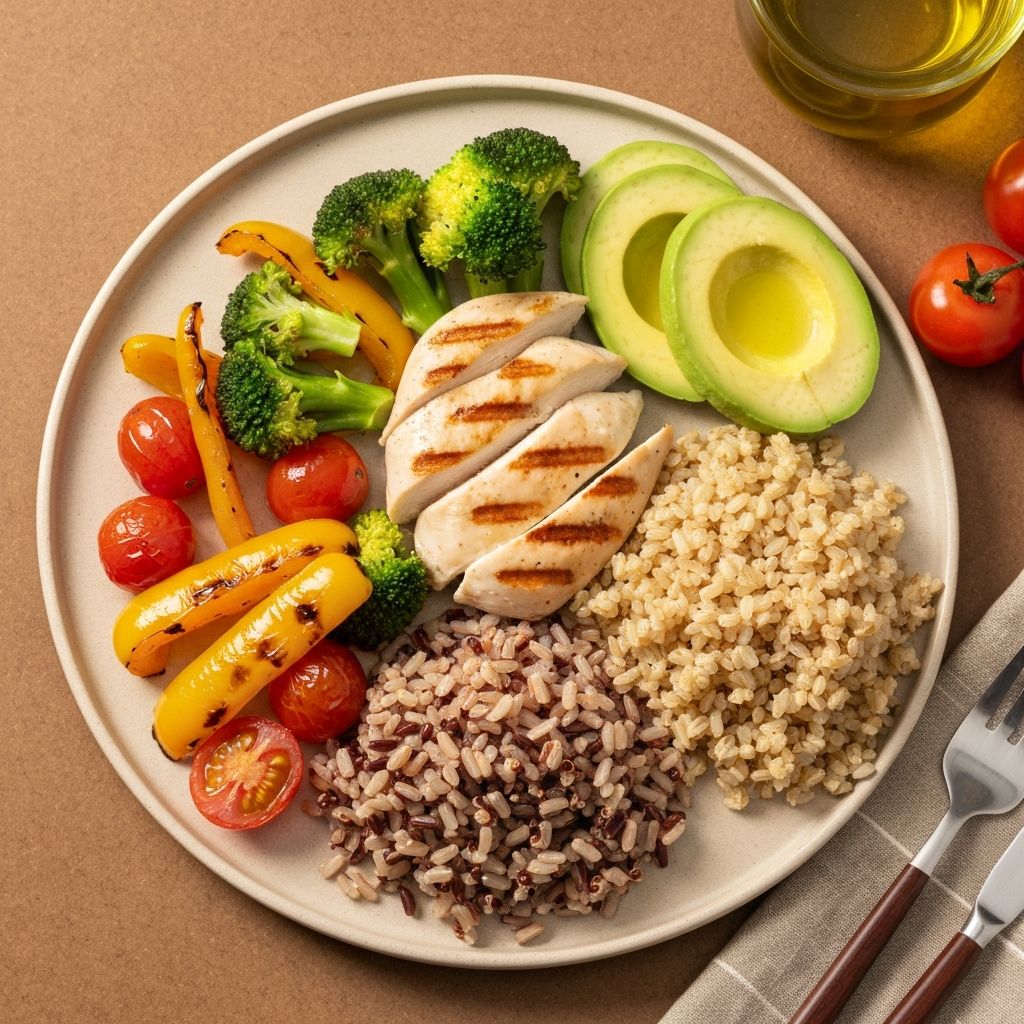
Repeating meal structures (e.g., grain bowl format, vegetable-based meals, protein-focused plates) simplifies planning and shopping while supporting variety through component changes.
Strategic Shopping
Shopping with a structured list prevents impulse purchases and ensures availability of planned components. Regular shopping trips maintain freshness of perishable items.
Pantry Organization
Maintaining stock of shelf-stable proteins, grains, legumes, canned vegetables, and seasonings enables quick meal assembly even when fresh foods run low.
Adapting to Life's Realities
Rigid meal plans fail when life intervenes. Sustainable planning builds in flexibility:
- Backup meals: Identify 3-5 simple meals you can make quickly with minimal ingredients
- Flexible proteins: Plan multiple protein options for any meal to accommodate preference changes
- Seasonal adjustments: Adapt plans to seasonal produce availability and preferences
- Social occasions: Plan for eating out or special events rather than treating them as "off-plan"
- Stress management: Identify what you eat during stress and plan accessible versions that are reasonably nutritious
Important: Plans should support your life, not consume it. If meal planning becomes stressful, simplify.
Overcoming Common Obstacles
Time Constraints
Prioritize quick assembly meals using pre-prepped components. Accept that "quick" is better than "perfect." Even simple meals with basic components (protein, vegetable, grain) are nutritious.
Limited Budget
Focus on affordable proteins (eggs, legumes, budget meats), seasonal produce, bulk grains, and in-season canned vegetables. Buying whole foods and cooking from scratch is often more economical than processed alternatives.
Limited Storage
Frequent smaller shopping trips maintain freshness without overwhelming storage. Select shelf-stable proteins and grains that keep well.
Changing Preferences
Update plans as preferences evolve. Flexibility prevents abandonment of planning when something loses appeal.
Moving Forward with Consistent Nutrition
Effective meal planning is a skill that improves with practice. What works perfectly for someone else may not suit you—the goal is finding YOUR sustainable approach to consistent, nutritious eating.
Start simply, learn what works, adjust continually, and remember that consistency beats perfection for long-term nutritional health.
Explore More
Deepen your understanding of related topics: